According to a study published in the British Journal of Nutrition, organic crops and crop-based foods have anywhere from a 19%-69% higher concentration of antioxidants than their non-organic counterparts. This is likely due to pesticides that are used on commercially grown crops, which deplete the soil’s nutritional value.
any people today want to know where their food comes from. It’s important to know, for instance, that your food is both ethically and healthily sourced and grown. The term farm-to-table has become increasingly popular as restaurateurs and consumers bypass commercial producers and purchase food from its direct source. Similar to the farm-to-table process, you will have more control over your diet by using garden-to-table ingredients. Organic gardening has countless benefits, from supporting the local economy to simplifying the process of making delicious, healthy meals for your family.
]]>
A little bit of work now can ensure optimal health for your plants as they continue to grow. There are actually a number of benefits that your plants will reap from being repotted.
The Benefits
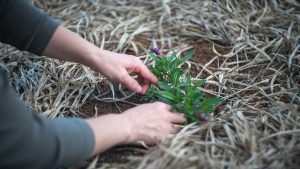
Plants, like people, require nutrition to grow and thrive. Plants tend to derive most of their nutrients from the soil in which they grow. As they do so, they will eventually deplete the soil of nutrients and leave it less rich than it was before. Repotting will allow your houseplants access to new, nutrient-rich soil and help optimize their future health.
Even if you don’t repot your indoor plants, occasionally changing out the soil can be extremely beneficial to their overall health. If that isn’t an option, you can also place a fresh layer of soil over the top of the soil that is already in place. Even that small amount of soil will help provide additional life-giving nutrients that will boost your plant’s overall health and appearance.
]]>
With a plan, you won’t buy more seeds than you need. Of course, this requires strength of character as well as an accurate plan. As you review your garden plan, complete with space budgeted for walkways and expanding crops, you may realize that you can’t grow as much as you want to.
Planning on paper will also help you use garden space more efficiently. It’s a good way to see the possibilities for succession planting (following one crop with another) and interplanting (planting a quick-maturing crop close to a slower-maturing one and harvesting the first before the two compete for space). For example, you may see that you
can follow your peas with a crop of late broccoli, and you’ll be ready with transplants in July. Or you may see that there is space to tuck a few lettuce plants among your tomatoes while the vines are still small. An important consideration in garden design is how you will sow seeds for most of your vegetables. There are three basic options: in single rows, in wide rows, or in beds.
]]>
Pellentesque habitant morbi tristique senectus et netus et malesuada fames ac turpis egestas. Vestibulum tortor quam, feugiat vitae, ultricies eget, tempor sit amet, ante.
Pellentesque habitant morbi tristique senectus et netus et malesuada fames ac turpis egestas. Vestibulum tortor quam, feugiat vitae, ultricies eget, tempor sit amet, ante.
]]>